 English
 中文
 Español
 Deutsch
 Nederlands
 Français
 Русский
 Italiano
 Português
 日本語
 한국어
 العربية
 हिन्दी
Define what the visit must establish, keep observations separate from conclusions and leave with a named owner for every open item.
A factory visit can feel convincing before you have answered your most important question. The reception is efficient, the showroom looks good and the production floor is busy. Those observations may be useful, but your buying decision needs evidence tied to your product.
Before you travel, write down what the visit must establish. Are you choosing between suppliers, resolving a sample issue or preparing for an order? Build the checklist around that purpose rather than attempting to inspect everything in a single morning.
Before you book the visit
Confirm the full address, the site being visited and the supplier's contact person. Establish whether the meeting is at an office, showroom, production site or another facility. Ask who will attend and whether they can answer your priority questions.
- Send a short agenda and the current product reference.
- Ask whether the relevant production activity or equipment will be available to discuss.
- Confirm site access, visitor requirements and any photography restrictions.
- Arrange language support where the required participants need it.
- Check travel arrangements using the actual addresses, including your onward journey.
If you need a formal assessment, product testing or inspection, commission that work explicitly. A buyer's visit and a specialist assessment can have different methods and outputs. Avoid letting a general tour stand in for evidence your purchasing process requires.
Bring a controlled document set
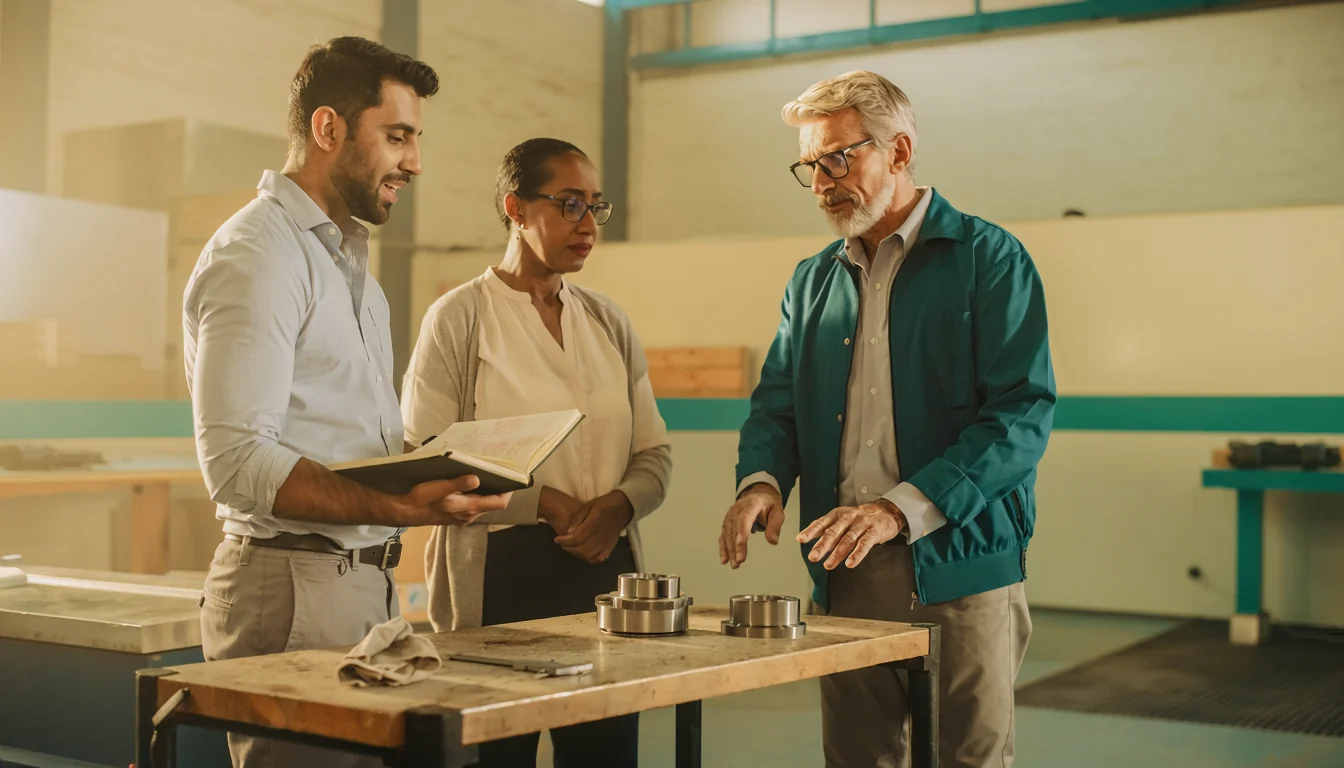
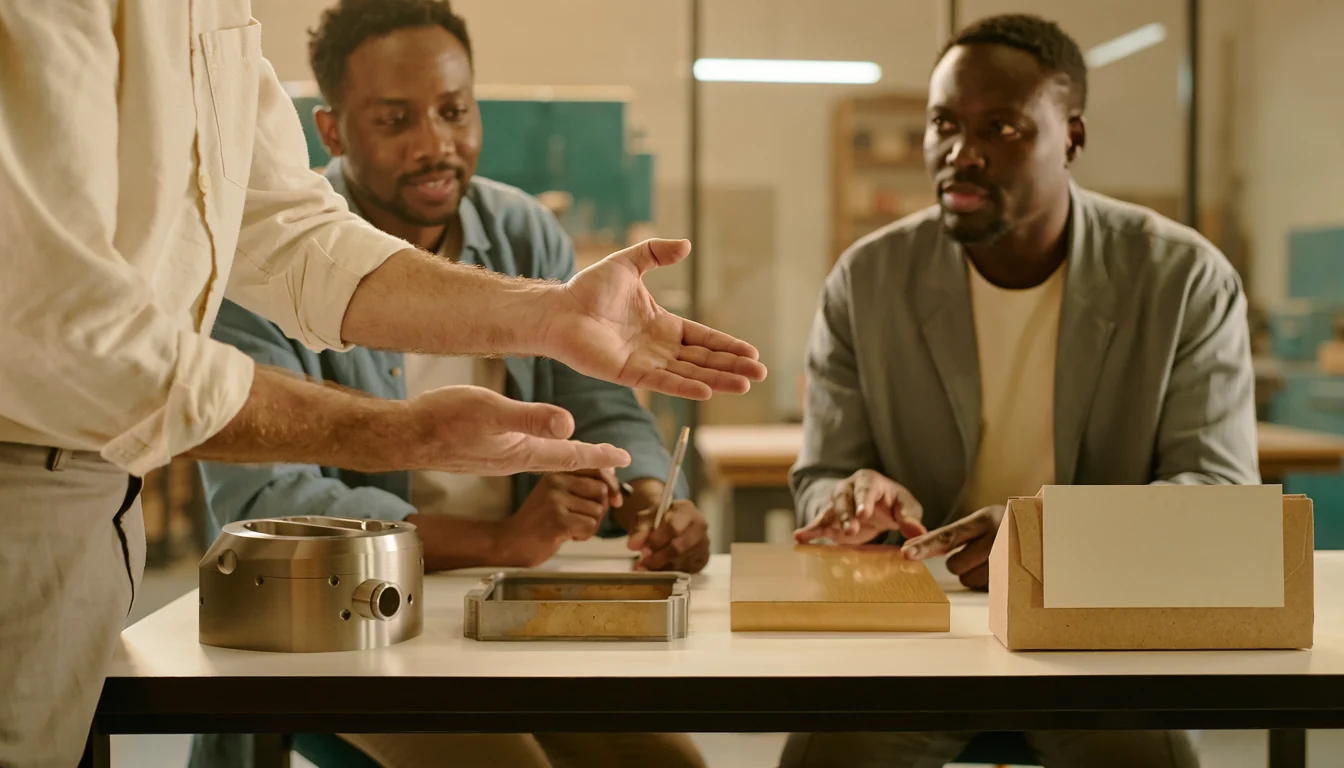
Take the current specification, drawings, quotation and sample references. Mark revision numbers and dates. If you are comparing an acceptable sample with a rejected one, label both and explain the difference you want to investigate.
Prepare a one-page question sheet with space for answers and follow-up evidence. Keep commercially sensitive notes separate from documents you intend to share. Decide who on your team can approve changes and which decisions must wait for colleagues at home.
For a first visit, a small, organised pack is more useful than an unstructured archive. It should be possible to locate the relevant drawing while the discussion is happening.
Ask questions connected to your product
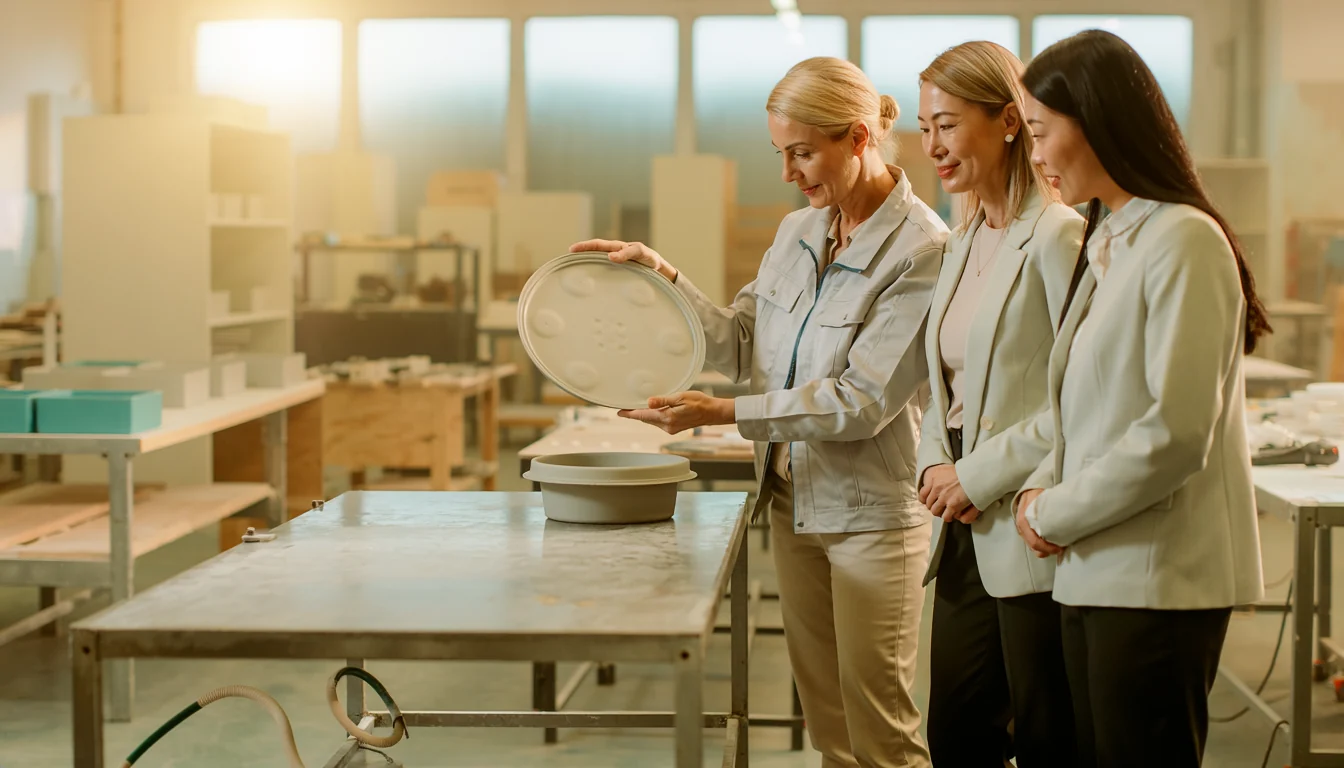
During the tour, connect explanations to the item you plan to buy. Ask where its main processes would take place, which steps happen elsewhere and how materials and components would be identified. Request clarification when the process shown differs from the one described in your quotation.
Discuss how a product moves from sample approval to production, how changes are recorded and how problems are communicated. You do not need to turn the visit into an interrogation. You do need enough detail to understand the proposed arrangement.
When a supplier makes a statement that matters, note the evidence you will use to assess it. Some questions can be demonstrated during the visit; others require records, samples, specialist review or a later check.
Record observations separately from conclusions
| What was observed or stated | What remains to establish |
|---|---|
| A production line was operating during the visit | Whether the proposed product and order will use that process |
| The supplier presented an approved-looking sample | Which specification it follows and how production acceptance will work |
| A delivery period was discussed | Its assumptions, starting event and outstanding dependencies |
| A process was said to be outsourced | Who performs it, who controls changes and what evidence is available |
Ask before taking photos and label any permitted images promptly. A photo with no product reference or explanation becomes less useful once you are back at your desk.
Finish with the open questions
Reserve time to revisit the agenda. For each priority, identify whether you received an answer, whether it needs supporting evidence and who will provide the next item. Record sample changes individually rather than leaving with a general instruction to “improve quality.”
Make approval boundaries explicit. Agreeing to review a revised sample does not necessarily mean approving a material substitution, tooling expense or production order. State the actual decision in terms everyone can repeat.
Turn the visit into a next step
Send a concise written recap while the details are fresh. Attach the relevant document version and a numbered action list. Ask the supplier to correct any misunderstanding, then track the evidence and decisions still outstanding.
Send TalkEast your factory address and visit objectives if you need English–Mandarin interpreting or help organising the business visit.