 English
 中文
 Español
 Deutsch
 Nederlands
 Français
 Русский
 Italiano
 Português
 日本語
 한국어
 العربية
 हिन्दी

Write a one-sentence meeting objective, then build the agenda around the evidence needed to make that decision.
The supplier has prepared a presentation. You have brought a product sample. Everyone is ready to talk, yet the meeting can still end without answering your main question: can this company deliver the product you actually need?
A productive first meeting connects three things: your requirements, the supplier's proposed way of meeting them and the evidence needed before you proceed. Introductions and a tour are useful, but they need a place within that larger conversation.
Decide what this meeting must settle
Before you travel, finish this sentence: “After the meeting, we should be able to decide whether to…” Your answer might be commission a sample, request a revised quotation or invest in a second technical discussion. Expecting to settle every commercial detail in one visit can push unresolved questions into the eventual order.
Share a short agenda with your supplier. Identify the people you need present by function: someone who understands production, someone who can discuss pricing and someone responsible for following up. Ask which of these people will attend. A helpful salesperson may still need to check an answer with an engineer.
Bring a project pack people can work from
A few carefully labelled pages will usually do more for the discussion than a long company presentation. Include the product's intended use, dimensions, materials, target quantities, packaging and the questions still open. Mark drawings with a version and date.
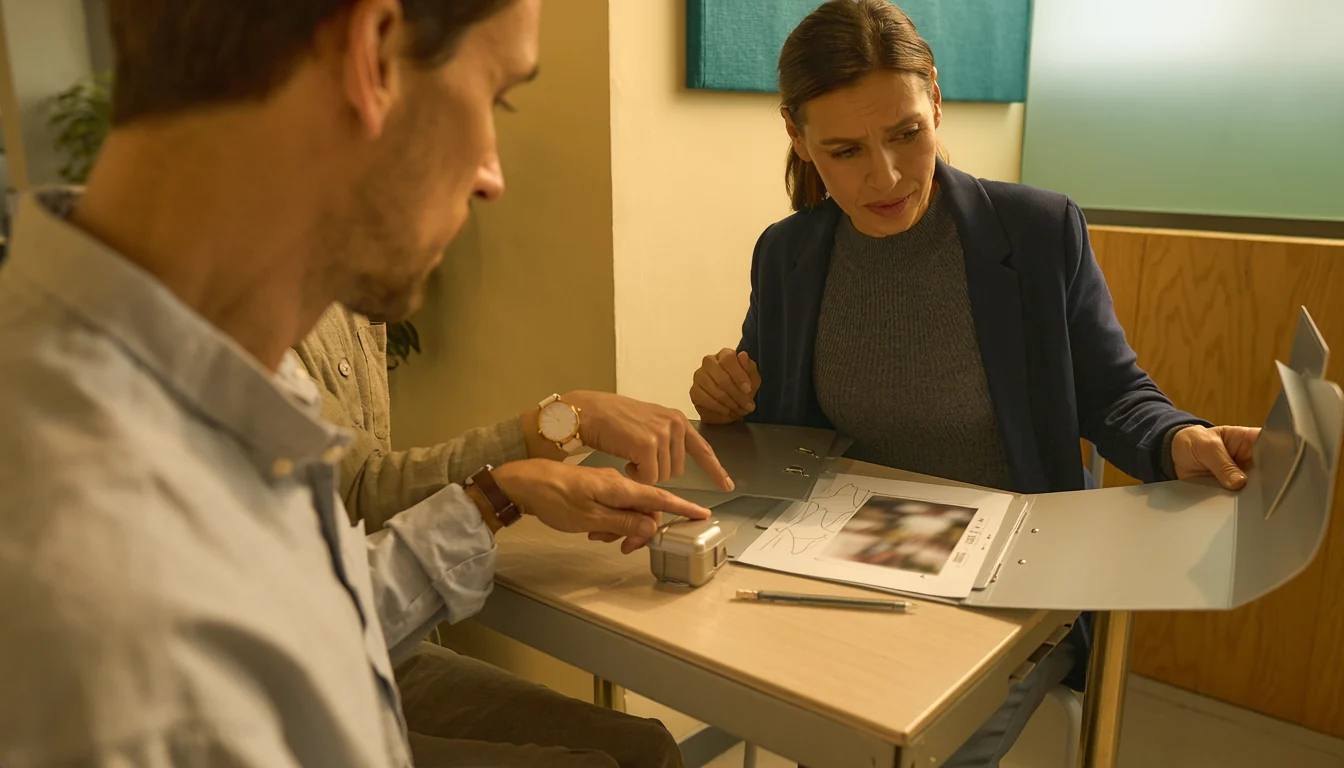
If you bring a physical sample, distinguish between features to reproduce and features to change. A reference product may show the right shape but the wrong finish. Without that explanation, two people can examine the same object and leave with different instructions.
Give your interpreter the pack in advance. Explain technical terms, abbreviations and which subjects require particular precision. Your internal price ceiling and negotiation options belong in a separate briefing.
A workable agenda for a first meeting
The following is an illustrative two-hour meeting plan, excluding a production tour. Adjust it to the complexity of the product and allow extra time for interpretation.
- First 15 minutes: introductions, each company's role and the decision you hope to make.
- Next 35 minutes: product requirements, sample review and questions about how the product would be made.
- Next 25 minutes: quantities, quotation assumptions, sampling and proposed production timing.
- Next 25 minutes: unresolved points, documents required and questions from the supplier.
- Final 20 minutes: read back decisions, assign actions and agree dates for replies.
A tour can change the conversation. If you see a process that raises a new question, return to the meeting room afterwards instead of trying to settle a specification beside operating equipment.
Ask questions that produce usable answers
“Can you make this?” invites a broad answer. “Which part would you make here, which would you buy in, and which detail needs further testing?” gives the supplier a clearer task. Follow a confident answer with a request for the method or document supporting it.
Similarly, unpack “delivery in six weeks.” What event starts that period? Does it depend on sample approval, material availability or receipt of a payment? What milestone ends it? Write down the proposed meaning before comparing it with another supplier's promise.
Allow your counterpart to say they need to check. A named person who will confirm a detail tomorrow is more useful than a vague assurance accepted today.
Make the interpreted conversation easy to follow
Speak directly to the supplier and pause after a complete point. Keep a question about material separate from a question about price. When several people start talking, return to one speaker and one subject.
Ask the interpreter to flag ambiguous terms and distinguish a direct answer from an explanation. If the supplier asks a question you did not expect, understand it before responding; it may reveal a requirement your brief has left unclear.
Close with a short action record
Reserve the final part of the meeting for a read-back: what is agreed, what is proposed and what remains unknown. Attach an owner and a date to each outstanding item. Send the written summary promptly, referring to the precise files and sample labels discussed.
You do not need to make an order decision before leaving the room. You do need a reliable basis for the next decision. For help preparing and interpreting a supplier meeting in Xiamen or Fujian, send TalkEast your product, location and meeting objective.