 English
 中文
 Español
 Deutsch
 Nederlands
 Français
 Русский
 Italiano
 Português
 日本語
 한국어
 العربية
 हिन्दी
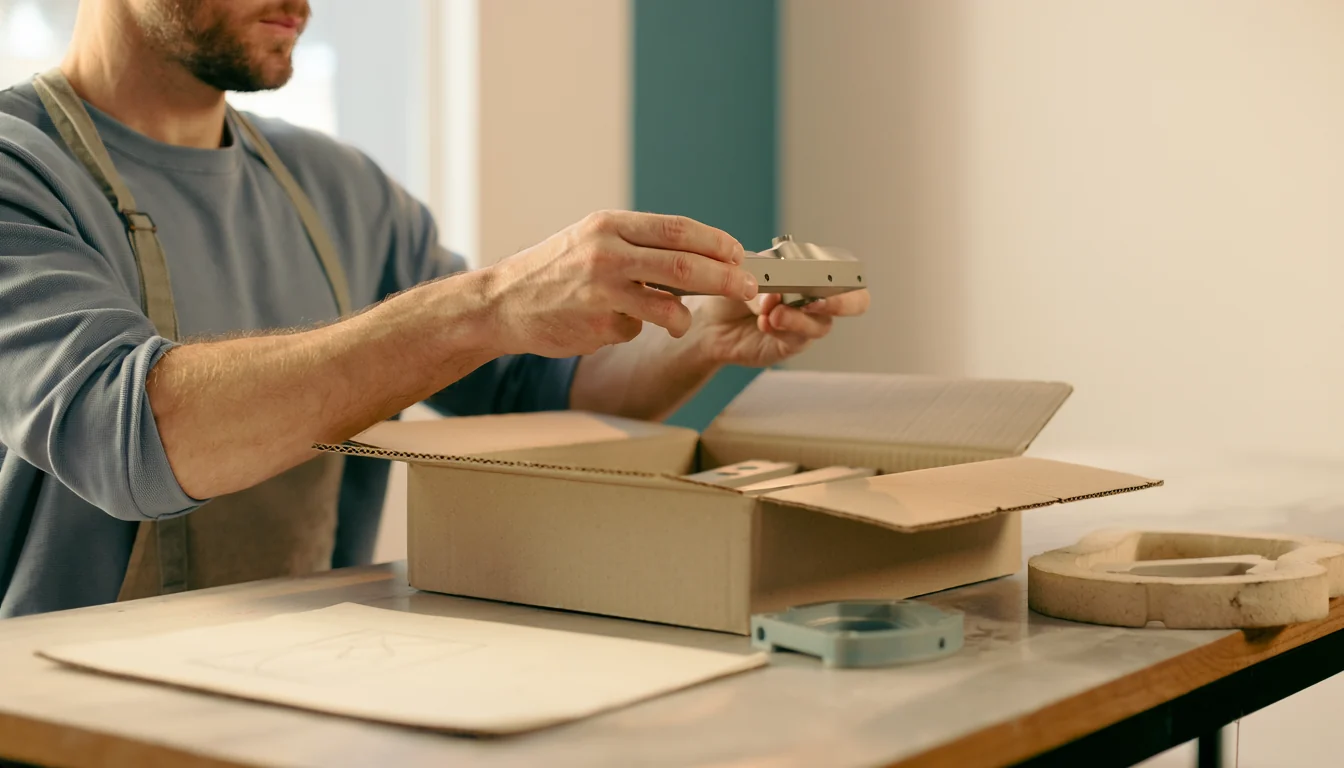
Ask which decision the sample can support, then agree its specification, revisions, charges and limitations in writing.
The most useful question about a sample is often “What will this let us decide?” A low-cost existing sample may show a supplier's finish or construction. It may tell you little about a custom dimension, new material or branding process that is central to your project.
Clarify the sample's purpose before comparing fees. A supplier can only price the work accurately when the requested version, quantity and approval criteria are clear.
Identify the kind of sample
An available catalogue sample, a modified existing item and a fully custom development sample can involve very different work. Ask the supplier to describe exactly what it proposes. Specify which materials, dimensions, colours and finishes must match the intended production version.
If the sample will use a substitute material or a different process, record the limitation. It may still be useful for checking shape or layout, but that does not mean it establishes production performance. Where formal testing is needed, agree the appropriate sample and method with the relevant specialist.
Ask what the fee covers
Request a breakdown sufficient to distinguish the sample itself from development, tooling, printing setup and shipping. Ask how many samples are included and whether artwork or design work is part of the offer. If a quotation includes several items, identify which costs recur when the specification changes.
Shipping should have its own confirmation: destination, service, payer and any charges outside the supplier's scope. Sample dimensions and weight may matter to the delivery quote. Avoid assuming that a sample described as free will also arrive without transport or destination-related costs.
- Which specification revision and sample quantity does the price cover?
- Which features will match production, and which will remain provisional?
- Are tooling, artwork and setup included or separate?
- How many revisions, if any, are included?
- When does the quoted sample lead time begin?
- What shipping arrangements and exclusions apply?
- Is any sample charge credited against an order, and under which conditions?
Compare sample proposals by purpose
| Option | What it could help assess | What still needs confirmation |
|---|---|---|
| Existing stock sample | General construction and available finish | Your dimensions, branding and packing |
| Modified sample | Selected custom features on an existing construction | Any feature made differently in production |
| Production-intent sample | Agreed specification using the proposed process | Consistency of the future production batch and any required testing |
The labels alone are not enough; ask what the supplier means by them. Choose the least costly route that can answer the present question, while recognising the evidence still needed before production.
Agree how revisions will be handled
Separate a change you request from a correction needed because the sample does not match the agreed brief. Ask how each would be priced and scheduled. Record the approval process before development begins, especially when a new tool or component is involved.
If tooling is charged, ask what the payment covers, who owns the tool, where it is held and what terms govern future use or transfer. Obtain appropriate contractual advice where the investment warrants it. A tooling charge on an invoice does not, by itself, explain all of those arrangements.
Review the sample against a written checklist
Use the same revision that was sent to the supplier. Record measurements, visible differences and questions with photographs where useful. Give the sample an identifier and date so later messages refer to the same object.
Send one consolidated response rather than several conflicting messages. Separate accepted features from requested changes and unresolved points. If you approve only the appearance, state that limited approval explicitly; do not use a broad “approved” message when technical matters remain open.
Connect the sample to the production quotation
Before placing an order, ask the supplier to confirm how the approved sample relates to the final specification and price. Reconcile any changes made during sampling. Confirm sample credits in writing and check their conditions rather than assuming every development payment will be deducted.
For early product research, tell TalkEast whether you need an existing sample or a custom development route. That distinction helps make initial cost indications more useful.