 English
 中文
 Español
 Deutsch
 Nederlands
 Français
 Русский
 Italiano
 Português
 日本語
 한국어
 العربية
 हिन्दी

Label each requirement as fixed, preferred or open, and state the buying decision the research must support.
A sourcing brief has two jobs: explain the product and explain the buying decision. The first tells a supplier what to propose. The second helps the person researching it know whether a proposal is relevant.
A long document is not automatically a good brief. A page with clear dimensions, labelled photographs and realistic quantities may be more useful than a presentation full of lifestyle images. Start with the information that changes supplier suitability or price, then attach technical detail where it is needed.
Explain the purpose and stage of the project
State what the product is for, who will use it and where you intend to sell it. Describe the current stage: early concept, existing product to reproduce within your rights, approved design or replacement supply for an established item. These stages require different kinds of enquiry.
Set the immediate objective. You may need an initial price range, a shortlist of suitable manufacturers or a sample plan. Avoid implying that an order is ready if the project is still exploratory. Clear expectations help suppliers decide what work is appropriate.
Define the product and the acceptable alternatives
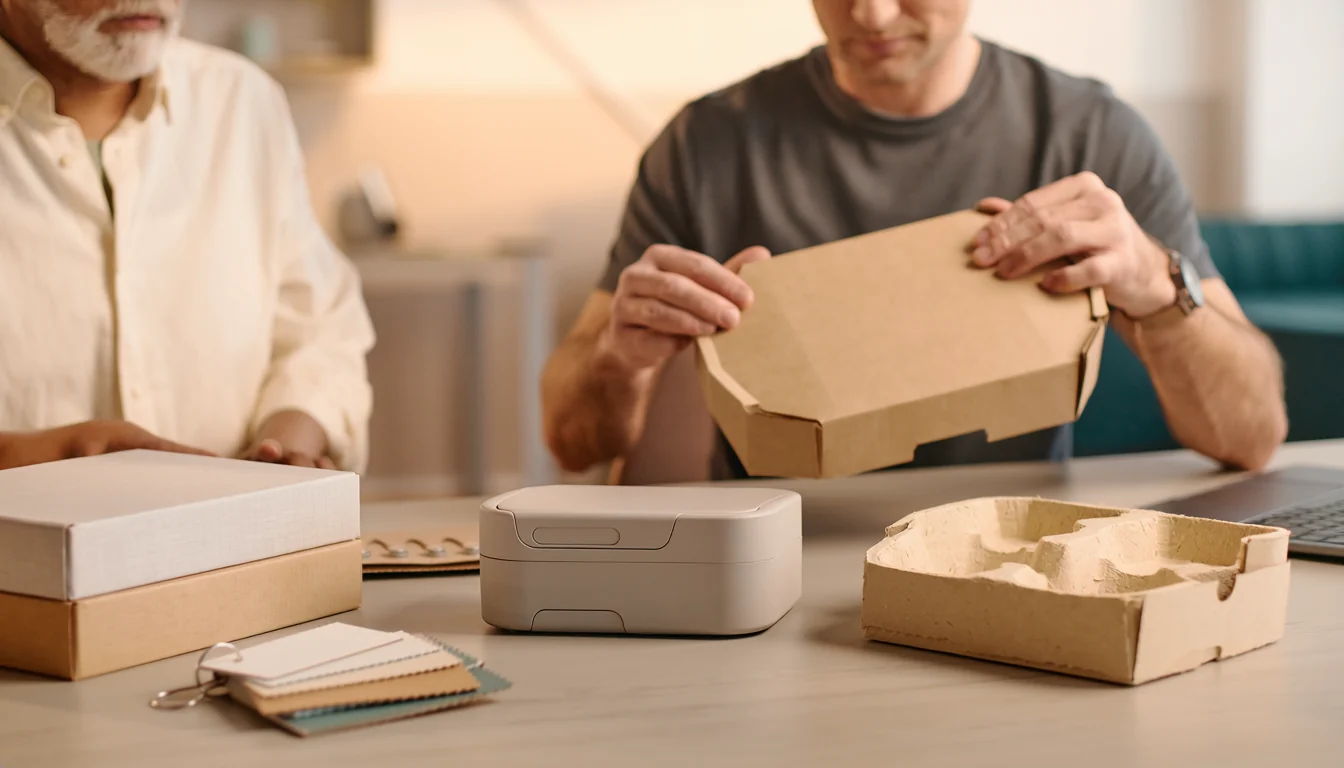
Include dimensions and units, materials, construction, finish, colour, branding and packaging. Use photographs to illustrate appearance and drawings to define geometry. Where a dimension is approximate, label it as such. Where a material is unknown, describe the uncertainty instead of selecting a familiar term without evidence.
Mark requirements as fixed, preferred or open. This simple distinction prevents a researcher from rejecting a useful supplier over a flexible detail or accepting a cheaper proposal that removes an essential feature. If a change is acceptable only after your review, say who must approve it.
An example one-page brief
| Section | Brief content |
|---|---|
| Project objective | Assess feasible constructions and indicative prices before sampling |
| Use | Reusable pouch holding the specified accessory set |
| Fixed details | Internal usable dimensions and closure performance to the attached requirements |
| Open details | Material options that can meet the intended use; supplier to identify trade-offs |
| Quantity | Initial 1,000 units, two colours; quote a realistic reorder level separately |
| Branding and packing | One-colour logo; plain individual packing and printed option quoted separately |
| Required response | Proposed specification, price basis, minimums, sample route and exclusions |
The example does not pretend that the material has already been chosen. It makes selecting the construction part of the research. Once a choice is made, the next brief should name the material precisely so subsequent quotations have a common basis.
Provide realistic commercial context
Give an initial quantity and the expected mix of variants. If you discuss annual demand, distinguish a forecast from a commitment. Explain the target timing and any event that drives it, while allowing the supplier to identify feasibility and dependencies.
A target budget can help shape research if you define what it covers. Specify whether it refers to the product alone, product with packing or a wider cost boundary. Keep sensitive negotiating limits in a separate internal note if they are not meant to be shared.
Ask for one-time costs, sample charges and major exclusions to be identified. These can change the initial investment even when the unit price looks acceptable. Also ask what information is still needed to move from an indication to a firm quotation.
Include useful evidence and identify its limits
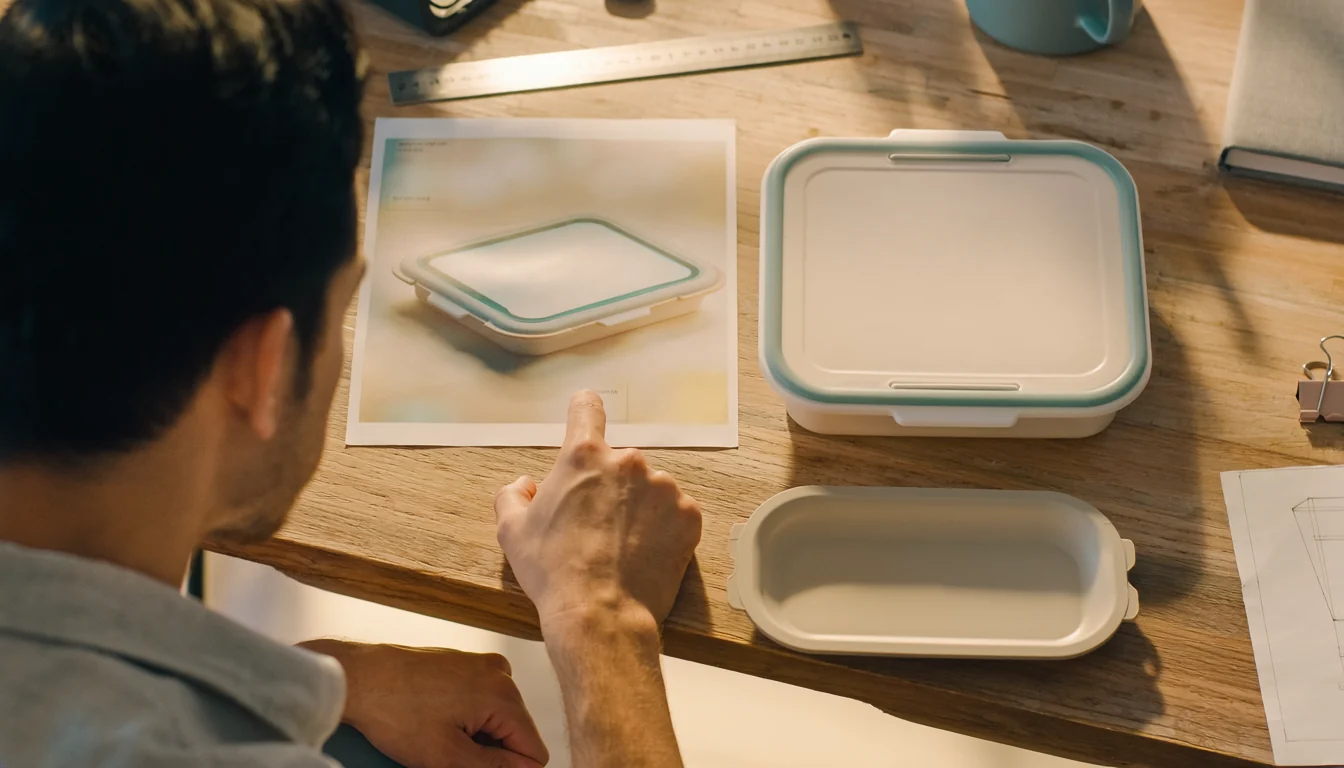
Attach existing samples, measurements, drawings or test requirements where available. Explain whether a photograph is a style reference, a functional reference or an exact design you are authorised to have produced. Do not leave suppliers to infer permission or ownership from the presence of an image.
For products with formal safety or market requirements, obtain the relevant specialist input and identify the documents required. A brief should record those requirements; it should not invent them from a generic checklist.
Make the brief easy to maintain
Give the document a date, revision number and named decision-maker. Keep a short change record when dimensions, materials or quantities change. Ask recipients to refer to the revision in their responses so outdated quotations can be spotted quickly.
Use that brief when enquiring about TalkEast's product cost research. Send the open questions alongside it so the research can be scoped around a useful decision.